Abstract Pattern with Colorful Ornament: A Versatile Design Element
The abstract pattern with colorful ornament has become a popular choice in modern design, blending artistic freedom with visual appeal. This style is characterized by its non-representational forms and the use of vibrant colors to create dynamic compositions. Unlike traditional patterns that often follow strict symmetry or representational motifs, abstract patterns embrace experimentation and creativity, allowing designers to push boundaries while maintaining aesthetic coherence.
Distinguishing Features of Abstract Pattern with Colorful Ornament
What sets the abstract pattern with colorful ornament apart from other design styles is its emphasis on emotional expression and visual impact. These patterns typically incorporate geometric shapes, fluid lines, and bursts of color that evoke movement and energy. The ornamental elements—often stylized floral motifs or intricate symbols—are not meant to be literal but rather symbolic, adding layers of meaning to the design.
One of the key strengths of this style is its adaptability. It can be used across various mediums, including graphic design, interior decoration, fashion, and digital media. The combination of abstraction and ornamentation allows for a wide range of applications, making it a versatile tool for creative professionals.
Comparing with Similar Options
When evaluating the abstract pattern with colorful ornament, it's important to consider how it compares with other design approaches such as floral patterns, geometric patterns, and minimalist designs. While floral patterns rely on realistic depictions of flowers and plants, the abstract pattern with colorful ornament takes a more interpretive approach, using simplified forms and bold colors to convey the essence of nature without literal representation.
Geometric patterns, on the other hand, focus on structured shapes and repetition. They are often more rigid in their composition, whereas the abstract pattern with colorful ornament offers greater flexibility. This makes it ideal for projects where a sense of dynamism and individuality is desired.
Minimalist designs prioritize simplicity and clean lines, which can sometimes limit the visual complexity that the abstract pattern with colorful ornament provides. However, this also means that the abstract pattern with colorful ornament may not be the best fit for every project. For instance, in environments where clarity and functionality are paramount, such as corporate branding or user interfaces, a minimalist approach might be more appropriate.
Strengths and Tradeoffs
The abstract pattern with colorful ornament excels in environments where creativity and visual storytelling are valued. Its ability to convey emotion and symbolism makes it particularly effective in branding, packaging, and artistic expressions. Additionally, the use of color in these patterns can enhance mood and draw attention, making them suitable for both print and digital formats.
However, there are tradeoffs to consider. The complexity of the design can make it challenging to implement in certain contexts, especially if the goal is to maintain a cohesive and consistent look. Furthermore, because of its artistic nature, the abstract pattern with colorful ornament may require more time and expertise to develop compared to more straightforward design solutions.
Another consideration is accessibility. While vibrant colors can be visually engaging, they may not always be the most inclusive choice for individuals with color vision deficiencies. Designers should be mindful of contrast and readability when incorporating these patterns into larger projects.
Best-Fit Situations and Limitations
The abstract pattern with colorful ornament is particularly well-suited for creative industries such as graphic design, fashion, and interior design. It works exceptionally well in projects that aim to stand out, such as product packaging, advertising campaigns, and art installations. Its ability to blend form and function makes it a valuable asset in these fields.
On the other hand, it may not be the optimal choice for more formal or functional applications. For example, in corporate settings where consistency and professionalism are key, a more structured design language might be preferable. Similarly, in user interface design, where usability is critical, overly complex patterns could detract from the overall experience.
Additionally, the abstract pattern with colorful ornament may require specialized tools or software to create effectively. While there are many design platforms available, some may offer better support for creating and customizing these types of patterns. Users should consider their technical capabilities and resources before deciding to adopt this style.
Practical Examples and Comparisons
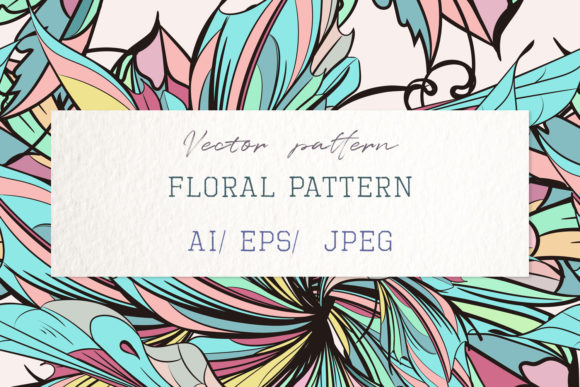
To better understand the abstract pattern with colorful ornament, let’s explore a few practical examples. In the world of fashion, designers often use these patterns to add a touch of whimsy or sophistication to clothing lines. For instance, a dress featuring an abstract floral wing motif in shades of blue and gold can evoke a sense of elegance while remaining visually striking.
In interior design, these patterns can be used to create focal points in spaces such as living rooms or offices. A wallcovering with an abstract pattern featuring colorful, flowing lines can transform a mundane space into a dynamic environment. The same pattern could also be adapted for textiles, such as curtains or upholstery, offering a unique way to personalize a room.
When comparing these examples to more traditional patterns, the difference becomes clear. While classic floral prints may feel familiar and safe, the abstract pattern with colorful ornament offers a fresh and innovative alternative. It allows for greater personalization and can help a design stand out in a crowded market.
Making an Informed Decision
Ultimately, whether the abstract pattern with colorful ornament is the right choice depends on the specific needs and goals of the project. If the objective is to create something that is both visually engaging and emotionally resonant, then this style can be an excellent option. However, if the priority is simplicity, clarity, or consistency, a different approach may be more suitable.
Designers and consumers alike should take the time to explore different options and evaluate how each one aligns with their vision. The abstract pattern with colorful ornament is not a one-size-fits-all solution, but it is a powerful tool that can bring creativity and depth to a wide range of applications.