Curve Pattern Pastel Colors: A Timeless Design Element for Modern Creativity
The Curve Pattern Pastel Colors is a design asset that blends retro aesthetics with modern versatility. Its soft, soothing palette and geometric composition make it an appealing choice for designers, creators, and professionals seeking to incorporate vintage-inspired visuals into their projects. This pattern features a repeating wavy motif that flows seamlessly across surfaces, offering both visual interest and functional adaptability.
Understanding the Visual Language of Curve Pattern Pastel Colors
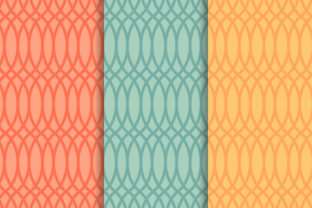
At its core, Curve Pattern Pastel Colors is defined by its use of pastel tones—soft hues like light blue, muted red, and warm orange—that evoke a sense of calm and nostalgia. These colors are often associated with the 1960s aesthetic, a period known for its bold experimentation with form and color. The geometric elements in this pattern add structure and balance, creating a harmonious blend between organic curves and precise lines.
The wavy, stripped design is particularly notable for its fluidity and repetition. It can be scaled, rotated, and repeated without losing its integrity, making it highly adaptable for various applications. Whether used as a background or a decorative element, the pattern maintains its visual appeal while remaining flexible enough to suit different contexts.
Applications Across Creative Industries
The Curve Pattern Pastel Colors has found a home in multiple creative fields, from graphic design to textile production. In the realm of digital media, it serves as an excellent backdrop for websites, social media content, and promotional materials. Its pastel tones and geometric structure offer a fresh alternative to more traditional patterns, allowing designers to create visually engaging yet approachable designs.
In the fashion industry, the pattern can be applied to fabric prints, adding a touch of retro elegance to garments. Its versatility makes it suitable for both casual and formal wear, depending on how it is layered or combined with other elements. Similarly, in interior design, the pattern can be used as a wallpaper or textile for decor, bringing a subtle yet impactful aesthetic to living spaces.
For educators and publishers, the Curve Pattern Pastel Colors provides a valuable resource for creating educational materials, presentations, and templates. Its clean, structured layout supports readability and visual organization, making it ideal for infographics, lesson plans, and instructional guides.
Design Quality and Practical Value
One of the standout qualities of Curve Pattern Pastel Colors is its high-quality vector format. As a vector-based design, it maintains crisp edges and scalability, ensuring clarity at any size. This is particularly beneficial for print and digital use, where resolution and detail are critical.
The pattern’s consistency is another key strength. Each repeat is carefully designed to align with the overall theme, preventing visual disruption when tiled. This makes it especially useful for large-scale applications such as wrapping paper, banners, and textiles, where uniformity is essential.
From a usability standpoint, the Curve Pattern Pastel Colors is easy to integrate into existing workflows. Its availability in multiple color variations—blue, red, and orange—allows users to choose the tone that best fits their project’s mood and purpose. Additionally, the pattern’s modular nature means it can be combined with other design elements to create unique compositions.
Who Benefits Most from Curve Pattern Pastel Colors?
The Curve Pattern Pastel Colors is most beneficial for professionals and hobbyists who value both aesthetics and functionality. Marketers and entrepreneurs may find it useful for branding materials, packaging, and social media assets. Its retro-inspired design can help create a nostalgic yet contemporary brand identity.
Freelancers and small business owners looking to enhance their creative output will also find value in this pattern. It offers a ready-made solution for designing logos, templates, and illustrations without requiring extensive customization. For educators and content creators, the pattern’s clean design supports clear communication and visual storytelling.
Additionally, the Curve Pattern Pastel Colors is well-suited for those working in the fields of art, illustration, and graphic design. Its abstract and decorative qualities make it a versatile tool for exploring new creative directions while maintaining a cohesive visual language.
Limitations and Considerations
While the Curve Pattern Pastel Colors offers many advantages, it is important to consider its limitations. Its pastel palette may not be suitable for all audiences or industries, particularly those that require more vibrant or high-contrast visuals. In certain contexts, the soft tones might appear too subdued or lack the impact needed for attention-grabbing designs.
Furthermore, the pattern’s geometric nature may not appeal to those who prefer more organic or freeform designs. However, this limitation can also be seen as an opportunity for creativity, as the pattern’s structure encourages thoughtful composition and intentional use.
Another consideration is the need for proper scaling and placement. While the pattern is designed to repeat seamlessly, improper application can lead to visual inconsistencies. Users should take care to ensure that the pattern aligns correctly and complements the surrounding design elements.
Conclusion
The Curve Pattern Pastel Colors is a versatile and aesthetically pleasing design asset that bridges the gap between vintage inspiration and modern practicality. Its combination of soft pastel tones and geometric structure makes it a valuable resource for a wide range of creative applications. Whether used as a backdrop, decorative element, or design template, the pattern offers both visual appeal and functional flexibility.
For designers, marketers, educators, and creatives seeking to incorporate a retro-inspired aesthetic into their work, the Curve Pattern Pastel Colors is worth considering. Its quality, usability, and adaptability make it a reliable choice for projects that demand both style and substance. With careful application, this pattern can elevate any design while maintaining a timeless and elegant presence.