Flamingo and Tropical Leaf Pattern: A Creative Resource for Designers and Makers
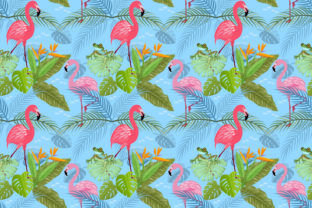
The Flamingo and Tropical Leaf Pattern is a seamless design that blends the vibrant colors of flamingos with the organic shapes of tropical leaves. This pattern offers a unique visual appeal that can elevate any project, from fabric designs to gift wrapping and beyond. Whether you're a designer, hobbyist, or small business owner, this pattern provides endless creative possibilities.
Why Choose Flamingo and Tropical Leaf Pattern?
One of the main reasons people are drawn to the Flamingo and Tropical Leaf Pattern is its versatility. It works well in various applications, including textiles, wallpaper, backdrops, and more. The combination of bold, colorful flamingos and intricate leaf motifs creates a visually engaging design that stands out. Additionally, the seamless nature of the pattern ensures it can be used repeatedly without visible seams, making it ideal for large-scale projects.
This pattern also appeals to those looking for a touch of exotic flair in their work. It brings a sense of warmth and energy, perfect for creating a tropical vibe in home decor, fashion, or branding. For entrepreneurs and marketers, it offers a way to differentiate products and create a memorable brand identity.
Common Mistakes When Using Flamingo and Tropical Leaf Pattern
While the Flamingo and Tropical Leaf Pattern is versatile, there are common mistakes that users may overlook. One frequent error is not considering the resolution and file format before downloading. Many designers assume that a high-quality image will look great in any application, but this isn't always the case.
- Ignoring File Format: The pattern comes in both .jpg and EPS 8 formats. While .jpg is suitable for web and print, EPS is better for vector editing in programs like Adobe Illustrator or Affinity Designer. Using the wrong format can lead to loss of quality or difficulty in scaling.
- Not Checking Dimensions: The image is provided at 5000 x 5000 px, which is excellent for most uses. However, if you plan to use it in a smaller space or for digital purposes, ensure that the dimensions match your project requirements.
- Misunderstanding Seamless Design: Some users might expect the pattern to repeat perfectly without adjustment. While the pattern is designed to be seamless, it's still important to test it in your intended application to ensure it looks as expected.
- Overlooking Licensing Terms: Always check the licensing agreement to understand how the pattern can be used. Some patterns are for personal use only, while others allow commercial use, which is crucial for businesses and freelancers.
How These Mistakes Can Affect Your Work
Choosing the wrong file format or ignoring resolution can result in poor print quality or unsatisfactory digital outcomes. For example, using a low-resolution .jpg in a large-scale print project may lead to pixelation and a less professional appearance. Similarly, not understanding the seamless nature of the pattern could lead to unexpected results when applying it to a background or fabric.
Licensing issues can also have serious consequences. If you're planning to sell products featuring the Flamingo and Tropical Leaf Pattern, using an improperly licensed version could lead to legal complications and damage your reputation. It's always better to err on the side of caution and ensure that your usage aligns with the terms provided.
Practical Advice for Using Flamingo and Tropical Leaf Pattern
To make the most of the Flamingo and Tropical Leaf Pattern, start by reviewing the licensing terms and file formats carefully. If you're working with vector software, the EPS 8 format is the best choice for scalability and clarity. For digital use, the .jpg file is sufficient, but always check the intended use case before finalizing your selection.
Before applying the pattern to a project, test it in different sizes and backgrounds to ensure it looks as intended. This step can save time and prevent costly mistakes down the line. Additionally, consider how the pattern complements other elements in your design. A well-balanced composition will enhance the overall impact of the pattern.
If you're unsure about the best way to incorporate the pattern into your work, experimenting with different applications can help you discover new creative ideas. Try using it as a backdrop for photos, a fabric design for clothing, or even as a decorative element in packaging. The key is to let your creativity guide you while staying mindful of technical considerations.
What to Check Before Using Flamingo and Tropical Leaf Pattern
Before making a decision, take the time to review the following:
- Resolution and Format: Ensure the file format and resolution meet your project’s needs.
- Licensing Agreement: Understand the terms of use to avoid legal issues.
- Compatibility: Verify that the software you're using supports the file format provided.
- Application Suitability: Test the pattern in your intended context to ensure it performs as expected.
- Quality of the Design: Assess the pattern's clarity and color accuracy to determine if it meets your standards.
By taking these steps, you can confidently use the Flamingo and Tropical Leaf Pattern in your projects, knowing that you've made informed decisions based on practical experience and attention to detail.