Mastering Mandala Vector Art Pattern Black 17: A Practical Guide for Creative Professionals
Mandala Vector Art Pattern Black 17 is more than just a design element—it’s a versatile, scalable, and timeless visual tool that can elevate your creative projects. Whether you're a designer, marketer, educator, or hobbyist, understanding how to use this pattern effectively can make a significant difference in the quality and impact of your work.
Understanding Mandala Vector Art Pattern Black 17
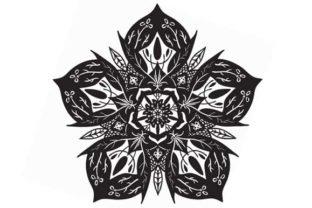
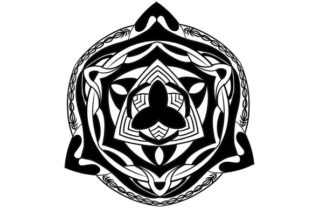
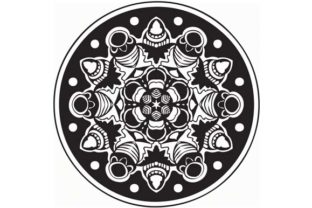
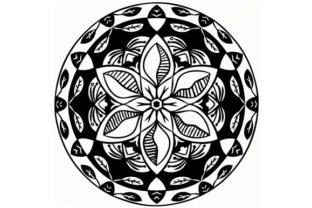
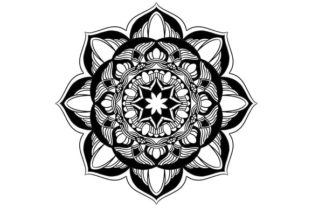
Mandala Vector Art Pattern Black 17 is a digital vector design featuring intricate geometric patterns inspired by traditional mandalas. The "Black 17" designation refers to its specific color scheme and design complexity, making it ideal for use in a variety of contexts such as branding, packaging, website backgrounds, and print materials.
This pattern is created using vector graphics, which means it maintains clarity and sharpness at any scale. Unlike raster images, vectors are resolution-independent, allowing for seamless integration into both digital and physical media. This makes Mandala Vector Art Pattern Black 17 a popular choice among professionals who require high-quality, adaptable visuals.
Common Mistakes When Using Mandala Vector Art Pattern Black 17
While Mandala Vector Art Pattern Black 17 offers great potential, many users overlook key considerations that can affect the final outcome. Here are some common mistakes to avoid:
- Ignoring file format compatibility: Not all vector files are created equal. Ensure you’re using the correct format (e.g., SVG, EPS, AI) depending on your project needs.
- Overlooking scalability: While vector art scales well, improper scaling can lead to distortion, especially when applied to large surfaces or high-resolution prints.
- Failing to check licensing: Many free or downloadable vector patterns come with usage restrictions. Always verify the license terms before using Mandala Vector Art Pattern Black 17 in commercial or public-facing projects.
- Using it without context: A beautiful pattern doesn’t automatically enhance your design. Consider how it aligns with your brand identity, message, and target audience.
- Not testing across platforms: What looks good on one device may not render correctly on another. Always preview your design on multiple screens and devices.
How These Mistakes Affect Your Work
Ignoring these details can lead to wasted time, poor results, and even legal issues. For example, using an unlicensed pattern in a product sold online could result in copyright infringement claims. Similarly, a poorly scaled design might look unprofessional when printed or displayed on a website.
By being mindful of these factors, you can ensure that Mandala Vector Art Pattern Black 17 enhances rather than detracts from your creative output.
Practical Tips for Using Mandala Vector Art Pattern Black 17 Effectively
To get the most out of Mandala Vector Art Pattern Black 17, follow these best practices:
- Choose the right tool: Use vector editing software like Adobe Illustrator, Inkscape, or CorelDRAW to manipulate and customize the pattern. These tools offer precise control over elements like color, stroke, and spacing.
- Customize as needed: Don’t be afraid to modify the pattern to suit your project. Adjust colors, add layers, or combine it with other design elements to create something unique.
- Test in different environments: Preview your design on various platforms, including mobile devices, tablets, and desktops, to ensure consistency and visual appeal.
- Use it strategically: Apply the pattern in areas where it complements the overall design rather than overwhelming it. Balance is key to maintaining a cohesive look.
- Keep backups: Always save multiple versions of your work. This helps prevent data loss and allows you to revert to previous designs if needed.
Realistic Examples of Effective Use
Consider a small business owner designing a logo for a wellness center. They might use Mandala Vector Art Pattern Black 17 as a background element to convey balance and harmony. By adjusting the opacity and layering it behind text, they create a visually appealing yet professional look.
Another example is a blogger creating a printable guide. They could incorporate the pattern as a subtle border or divider, enhancing the aesthetic without distracting from the content.
In both cases, the pattern serves as a supporting element rather than the focal point, ensuring that it enhances the overall design without overshadowing it.
What to Check Before Using Mandala Vector Art Pattern Black 17
Before incorporating Mandala Vector Art Pattern Black 17 into your project, take the following steps:
- Verify the source: Ensure you’re downloading the pattern from a reputable platform. Avoid suspicious websites that may host malicious files or infringe on intellectual property rights.
- Review the license: Understand the terms of use, including whether the pattern can be used for commercial purposes, modified, or shared.
- Check for quality: Confirm that the file is clean, error-free, and optimized for your intended use. A low-quality file can negatively impact the final output.
- Ensure compatibility: Test the pattern in your chosen software to confirm it works as expected. Some files may require additional plugins or settings adjustments.
- Consider alternatives: If Mandala Vector Art Pattern Black 17 isn’t suitable for your project, explore similar patterns that better match your design goals.
By taking these steps, you can confidently integrate Mandala Vector Art Pattern Black 17 into your workflow while minimizing risks and maximizing results.