Diamond Pattern: A Strategic Tool for Design, Planning, and Creativity
The Diamond Pattern is more than just a visual design element—it’s a powerful framework that can be applied across various domains to enhance decision-making, streamline processes, and drive meaningful outcomes. Whether you're designing a dress, planning a marketing campaign, or organizing your workflow, the Diamond Pattern offers a structured yet flexible approach that aligns with strategic thinking and practical application.
Understanding the Diamond Pattern
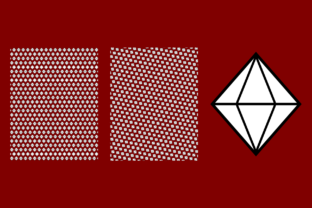
The Diamond Pattern is characterized by its symmetrical, geometric structure, often featuring intersecting lines that form four equal sides. This pattern is visually striking and versatile, making it ideal for all-over prints on textiles, home décor, and everyday items like mugs, t-shirts, and shower curtains. However, its strategic value lies in how it can be used as a metaphor for planning and execution.
In a broader sense, the Diamond Pattern represents balance, clarity, and focus. Each side of the diamond symbolizes a different aspect of a project or goal—vision, strategy, action, and results. By applying this structure to your work, you can create a clear roadmap that guides you from idea to implementation, ensuring every step is intentional and aligned with your objectives.
Why Use the Diamond Pattern Strategically?
Using the Diamond Pattern strategically allows you to break down complex tasks into manageable components. This approach is particularly useful for entrepreneurs, marketers, and creators who need to maintain consistency while adapting to changing circumstances.
For instance, when launching a new product line, the Diamond Pattern can help you define your vision (top of the diamond), outline your strategy (left side), execute your plan (right side), and measure your results (bottom of the diamond). This method ensures that no detail is overlooked and that each phase of the process is interconnected.
Additionally, the Diamond Pattern supports effective communication. Its symmetry and repetition make it easy to understand and replicate, which is essential for branding and customer experience. When used consistently across different products or platforms, it reinforces brand identity and builds recognition.
When to Apply the Diamond Pattern
The Diamond Pattern is best suited for projects that require both creativity and structure. It works well in the following scenarios:
- Design Development: For creating patterns for clothing, home goods, or accessories where visual appeal and functionality must coexist.
- Marketing Campaigns: To craft cohesive messaging that resonates with your audience while maintaining brand consistency.
- Workflow Optimization: To organize tasks, set priorities, and track progress in a way that’s both intuitive and efficient.
- Learning and Training: As a visual aid to help learners grasp complex concepts through repetition and symmetry.
- Customer Experience: To design user-friendly interfaces, layouts, or experiences that guide users naturally through a process.
However, it's important to recognize that the Diamond Pattern is not a one-size-fits-all solution. It should be used thoughtfully, with consideration for the specific goals and context of your project.
How to Approach the Diamond Pattern
Intentional use of the Diamond Pattern begins with defining your purpose. Ask yourself: What are you trying to achieve? What message do you want to convey? Once you have a clear direction, you can begin structuring your approach around the four key elements of the diamond.
1. Vision: Start by visualizing the end result. What does success look like? How will you know when you’ve achieved it?
2. Strategy: Develop a plan that outlines the steps needed to reach your vision. Break down large goals into smaller, actionable tasks.
3. Action: Execute your plan with focus and precision. Stay adaptable but remain committed to your core objectives.
4. Results: Measure your progress and evaluate what worked, what didn’t, and how you can improve. Use these insights to refine your approach for future projects.
By following this structured yet flexible framework, you can ensure that your efforts are aligned with your goals and that you’re continuously improving your outcomes.
Practical Examples of the Diamond Pattern in Action
Let’s explore a few real-world applications of the Diamond Pattern to see how it can be used effectively:
Example 1: Clothing Design
A fashion designer using the Diamond Pattern for a new dress collection might start by defining their vision—perhaps a modern, minimalist aesthetic. They would then develop a strategy that includes selecting materials, sketching designs, and planning production timelines. During the action phase, they’d focus on creating prototypes and testing fabrics. Finally, they’d assess market feedback and adjust their designs accordingly.
Example 2: Marketing Campaign
A small business owner launching a new product could use the Diamond Pattern to structure their marketing campaign. Their vision might be to increase brand awareness, their strategy could involve social media engagement and email marketing, their actions would include content creation and outreach, and their results would be measured through website traffic and sales conversions.
Example 3: Workflow Management
A freelancer managing multiple clients might apply the Diamond Pattern to their daily routine. Their vision is to maintain a high level of productivity, their strategy involves time blocking and task prioritization, their actions include focused work sessions and regular check-ins, and their results are tracked through completed tasks and client satisfaction scores.
Considerations Before Relying on the Diamond Pattern
While the Diamond Pattern is a valuable tool, it’s important to consider potential risks if used without clear goals or context. One common pitfall is over-reliance on the pattern without adapting it to the unique needs of a project. This can lead to rigid thinking and missed opportunities for innovation.
Another consideration is the importance of flexibility. While the Diamond Pattern provides structure, it should not be viewed as a strict template. Instead, it should serve as a guide that can be adjusted as needed to accommodate new information or changing circumstances.
Additionally, the Diamond Pattern may not be suitable for all types of projects. For example, highly dynamic or experimental initiatives may benefit more from a less structured approach. It’s crucial to assess whether the pattern aligns with your specific objectives before committing to its use.
Strategic Observations and Decision-Making Guidance
When incorporating the Diamond Pattern into your work, keep the following observations in mind:
- Balance is Key: The Diamond Pattern emphasizes equilibrium between different aspects of a project. Strive to maintain this balance to avoid bias or oversight.
- Clarity Matters: Ensure that each component of the diamond is clearly defined so that your team or audience can easily follow along.
- Consistency Builds Trust: Using the Diamond Pattern consistently across different platforms or products helps build brand recognition and credibility.
- Feedback is Essential: Regularly seek input from stakeholders or customers to refine your approach and improve outcomes.
- Adaptation is Necessary: Be open to adjusting your strategy based on new insights or challenges that arise during the process.
By integrating these principles into your workflow, you can maximize the effectiveness of the Diamond Pattern and achieve better results across your projects.
Conclusion
The Diamond Pattern is a versatile and strategic tool that extends beyond its visual appeal. When used intentionally, it can support decision-making, enhance planning, and improve outcomes in a variety of contexts. Whether you're designing a product, managing a campaign, or optimizing your workflow, the Diamond Pattern offers a structured yet flexible framework that aligns with your goals and values.